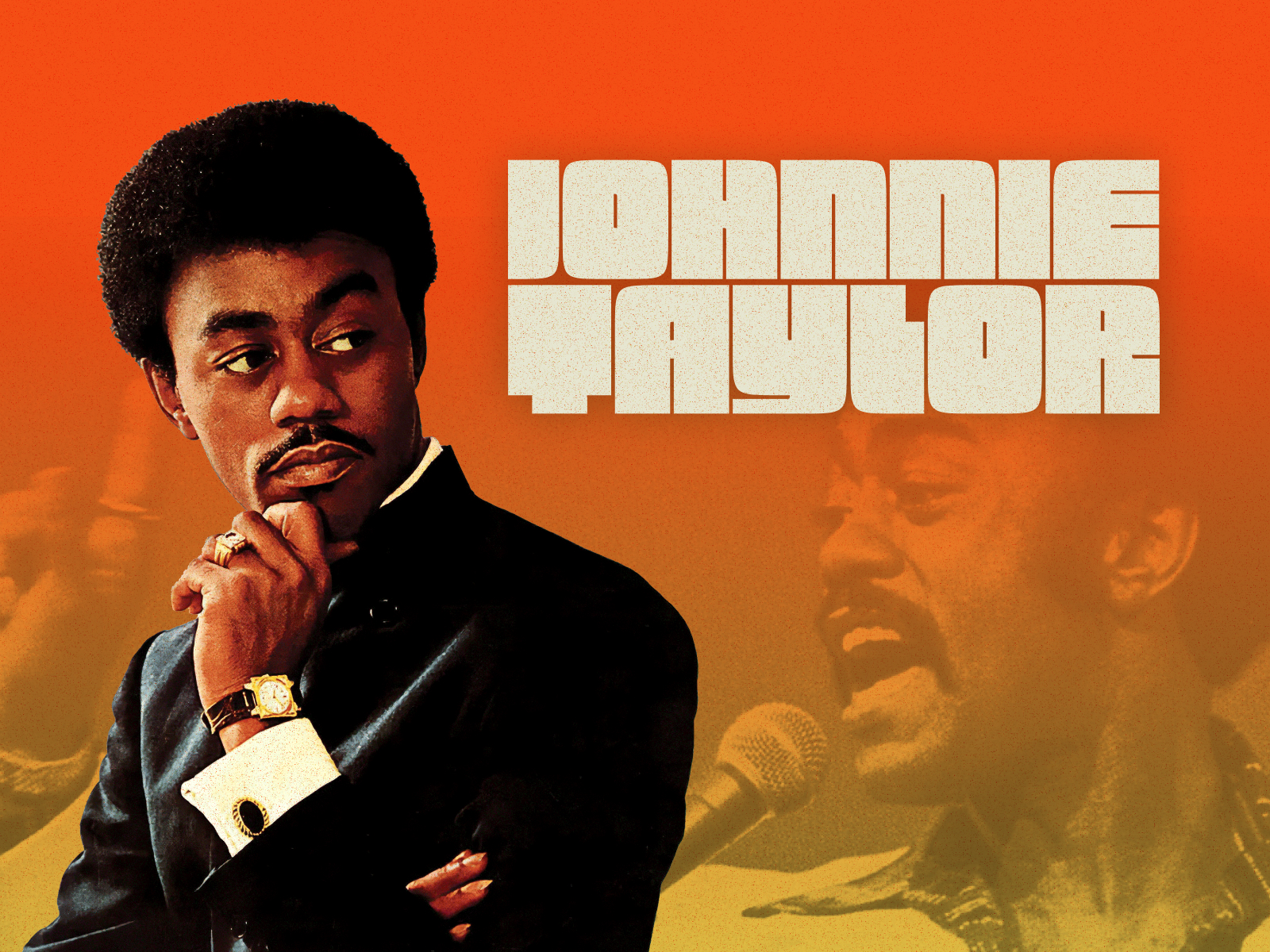
I used to help out Ms. Estelle (Axton) (in the record store). We used to all be like… all of us would help out one another on those sessions and lyrics of those songs. If Otis (Redding) was there… we’d all pitch in… Sam & Dave, whoever was there. We were more like a family. We just all kinda like ‘Hey, I’m here’ if you needed a word or a lyric, somebody would write something down on a piece of paper and hand it to you. It was really a fun thing to do.
Johnnie Taylor referencing the Stax years during a Southern Music Research Center interview
Johnnie Harrison Taylor’s versatile voice and dynamic career spanned nearly five decades, encompassing gospel, R&B, soul, blues, pop, doo-wop, and disco. Known as “The Philosopher of Soul” by Stax Records and “The Blues Wailer,” Taylor’s ability to blend the emotional depth of gospel with the raw energy of blues and the sophistication of soul made him a pivotal figure in 20th-century black music. Even though he was sometimes shadowed by some of Stax Records bigger names, Johnnie Taylor sold more records than any other artist on the Stax label.
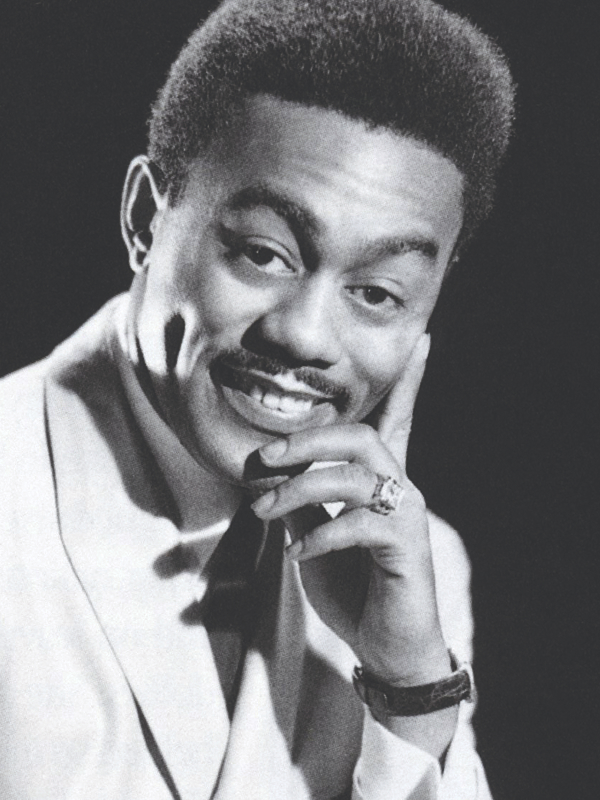

Taylor was born in 1934 in Crawfordsville, AR, a small town just outside of Memphis. Raised by his religious grandmother in nearby West Memphis, Taylor was the youngest of three siblings. His early exposure to music came through the church, where he began singing in the choir at age six. Inspired by gospel luminaries like R.H. Harris of the Soul Stirrers and Archie Brownlee of the Five Blind Boys of Mississippi, and blues artists like Junior Parker, Joe Turner, and Louis Jordan, he developed a vocal style that combined spiritual fervor with earthy grit.
At age ten, he moved with his grandmother to Kansas City, Missouri, where he joined the Melody Kings, a local gospel quartet. By his teenage years, Taylor’s talent was evident, and he dreamed of a career in music, inspired by both sacred and secular influences. At age 19, Taylor moved to Chicago, where he joined the doo-wop group the Five Echoes, recording his first single, “Somewhere to Lay My Head,” for the Sabre label (later reissued by Vee-Jay Records). Around the same time, he became a member of the Highway Q.C.’s, a prominent gospel quartet that previously included Sam Cooke and Lou Rawls. His involvement with the Q.C.’s deepened his connection to gospel music and introduced him to Cooke, who would become a lifelong friend and mentor.
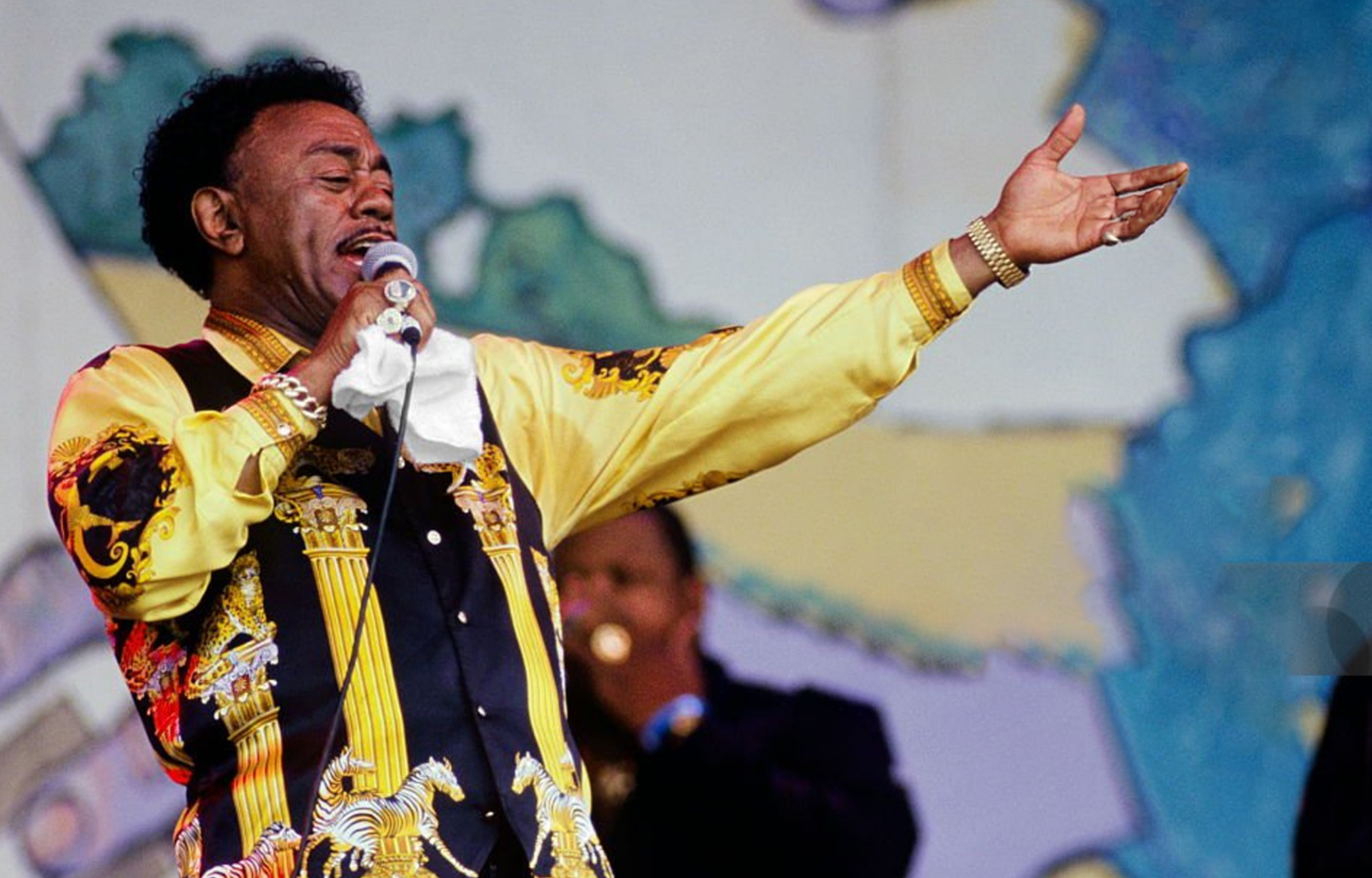

Taylor’s vocal similarity to Sam Cooke, marked by a smooth yet powerful delivery, led to a significant opportunity in 1957 when Cooke left the Soul Stirrers to pursue a solo career in secular music. Taylor was recruited to replace him as a lead singer, sharing duties with Paul Foster. During his two-year tenure, Taylor recorded songs like “The Love of God” (Specialty Records) and “Stand by Me Father” (SAR Records), showcasing his ability to convey deep emotion through gospel. He became an ordained minister during this period and briefly pursued preaching after a 1960 car accident led to his dismissal from the group.
Encouraged by Cooke, Taylor transitioned to secular music in 1961, signing with Cooke’s newly established SAR Records as its first artist. His early singles, including “Why, Why, Why” (1961), “Rome (Wasn’t Built in a Day)” (1962), and “Baby, We’ve Got Love” (1963), showed promise, with the latter becoming his first entry on Billboard’s Top 100 chart. These records, often written and produced by Cooke and J.W. Alexander, blended R&B with gospel-inflected soul, laying the groundwork for Taylor’s distinctive style. SAR Records folded after Cooke’s tragic death in 1964, leaving Taylor without a label. During this period, Taylor also drew inspiration from the blues, incorporating Little Johnny Taylor’s 1963 hit “Part Time Love” into his live act, which boosted his popularity. This versatility allowed him to navigate the evolving music landscape, setting the stage for his next major career move.

In 1966, Taylor signed with Stax Records in Memphis, Tennessee, a label synonymous with Southern soul. Dubbed “The Philosopher of Soul” by Stax executive Al Bell, Taylor quickly became one of the label’s flagship artists, working with the Booker T. & the M.G.’s house band and songwriters like Isaac Hayes and David Porter. His debut album, Wanted: One Soul Singer (1967), introduced his gritty yet melodic style, with tracks like “I Had a Dream” and “I Got to Love Somebody’s Baby.”
Taylor’s breakthrough came in 1968 with “Who’s Making Love,” a funky, Don Davis-produced single that topped the R&B charts and reached No. 5 on the Billboard Hot 100. Selling over one million copies and earning a gold disc, the song revitalized Stax during a turbulent period following the death of Otis Redding and the end of its distribution deal with Atlantic Records. Taylor’s charismatic delivery and the song’s bold, brassy production made it a defining anthem of Southern soul, cementing his status as a star.
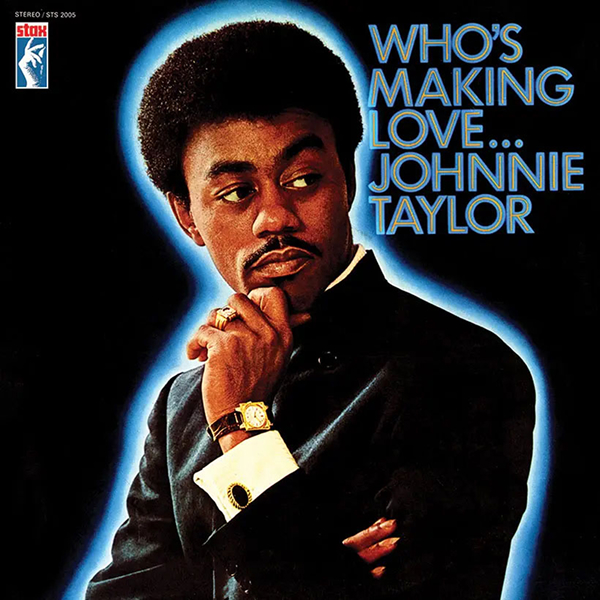
Over the next seven years, Taylor delivered a string of hits for Stax, including “Take Care of Your Homework” (1969), “Jody’s Got Your Girl and Gone” (1971), “Steal Away” (1970), “I Believe in You (You Believe in Me)” (1973), and “Cheaper to Keep Her” (1973). These songs, often blending humor, storytelling, and emotional depth, resonated with audiences and solidified Taylor’s dominance on the “Chitlin’ Circuit,” a network of venues catering to black performers in the South.
His ability to adapt to Stax’s evolving sound, from raw soul to a Motown-influenced style, kept him at the forefront of the label’s roster. The albums he released during this period included Who’s Making Love… (1968), Raw Blues (1969), The Johnnie Taylor Philosophy Continues (1969), and Taylored in Silk (1973). Despite Stax’s financial struggles, Taylor outsold contemporaries like Otis Redding and Carla Thomas, becoming the label’s best-selling artist. His flamboyant stage presence made him a major draw, and he assembled a touring band to support his growing fame.

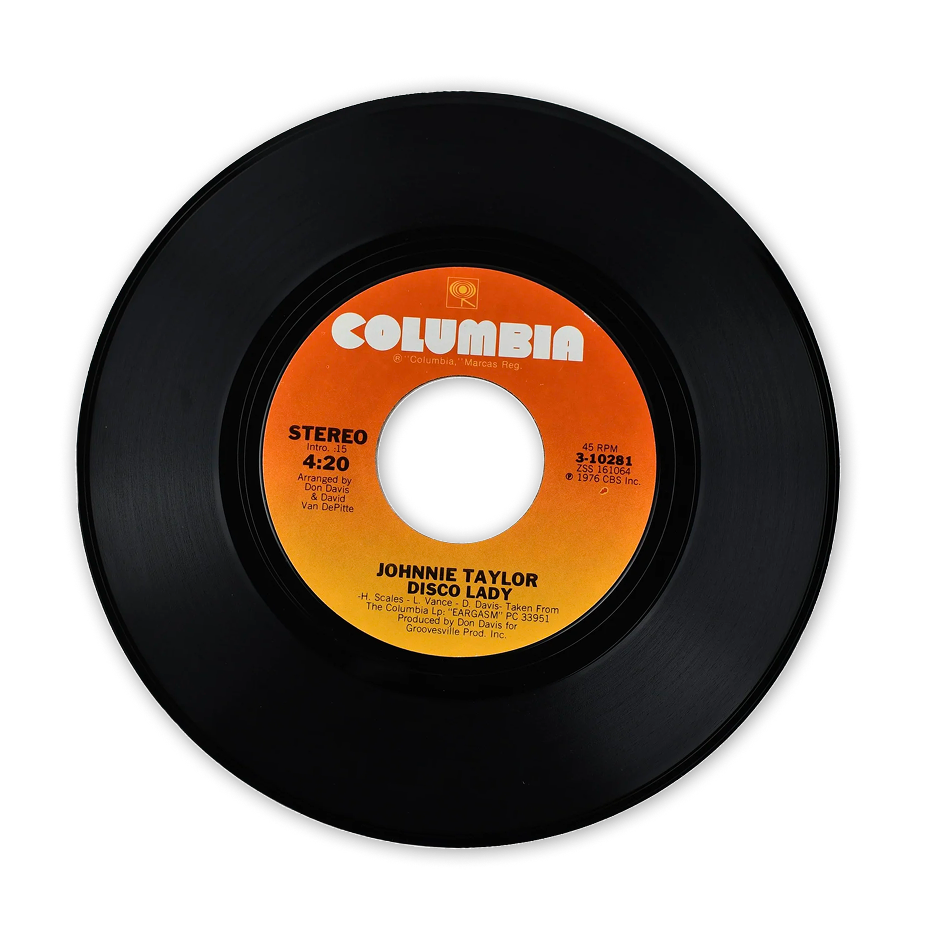
When Stax went bankrupt in 1975, Taylor signed with Columbia Records, reuniting with producer Don Davis. In 1976, he achieved the biggest hit of his career with “Disco Lady,” a soulful dance track that spent four weeks at No. 1 on the Billboard Hot 100 and six weeks atop the R&B chart. It became the very first single in history to be certified platinum by the RIAA for selling over two million copies. The song, featured on the album Eargasm, showcased Taylor’s ability to adapt to the disco craze while retaining his soulful roots. The album’s suggestive title led to bans by some radio stations, but its success underscored Taylor’s crossover appeal. Despite the triumph of “Disco Lady,” Columbia’s focus on disco limited Taylor’s creative freedom, and subsequent albums failed to replicate Eargasm’s success.
Frustrated, he left Columbia in 1980 and signed with Beverly Glen Records in 1982, where he scored a chart comeback with the single “What About My Love,” highlighting Taylor’s resilience.

In 1984, Taylor found a new home at Malaco Records in Jackson, Mississippi, after label founders Tommy Couch and Wolf Stephenson heard him perform at Z.Z. Hill’s funeral. Malaco, known for preserving classic soul and blues, offered Taylor the creative freedom he had enjoyed at Stax. Backed by the Muscle Shoals Rhythm Section and Malaco’s in-house musicians, including Carson Whitsett and Bernard Jenkins, Taylor recorded ten albums over the next 16 years, revitalizing his career and shaping the trajectory of Southern soul. His Malaco debut, This Is Your Night (1984), and its follow-up, Wall to Wall (1985), were well-received, showcasing Taylor’s ability to blend blues, soul, and funk. His 1996 album Good Love! became Malaco’s best-selling record, topping the Billboard Blues chart and reaching No. 15 on the R&B chart, driven by the single “Last Two Dollars.”
His 1999 album, Gotta Get the Groove Back, earned a Grammy nomination, and Taylor’s final recording, “Soul Heaven,” imagined a celestial concert featuring departed music legends like Otis Redding, Sam Cooke, and Marvin Gaye. During this period, Taylor remained a beloved figure on the Chitlin’ Circuit, where his music resonated deeply with black audiences. His decision to forgo mainstream crossover opportunities, like performing at the 1967 Monterey Pop Festival, helped define Southern soul as a distinct genre rooted in Black Southern culture. His influence was so profound that, in the1980s and 1990s, one in six songs played on Southern soul radio stations was reportedly a Johnnie Taylor track.

Taylor’s personal life was complex and became public after his death. He was married twice, including to Gerlean Rocket from 1970 until their divorce in 2000, just weeks before his death. He openly acknowledged six children, including musicians Jon Harrison Taylor and Tasha Taylor, but there were three additional children. Taylor died of a heart attack in 2000 in Dallas, Texas, at age 66. He was buried beside his mother, Ida Mae Taylor, at Forest Hill Cemetery in Kansas City, Missouri. Taylor’s contributions were recognized with numerous accolades. He received three Grammy nominations for “Who’s Making Love” (1968), “Disco Lady” (1976), and Gotta Get the “Groove Back” (1999).
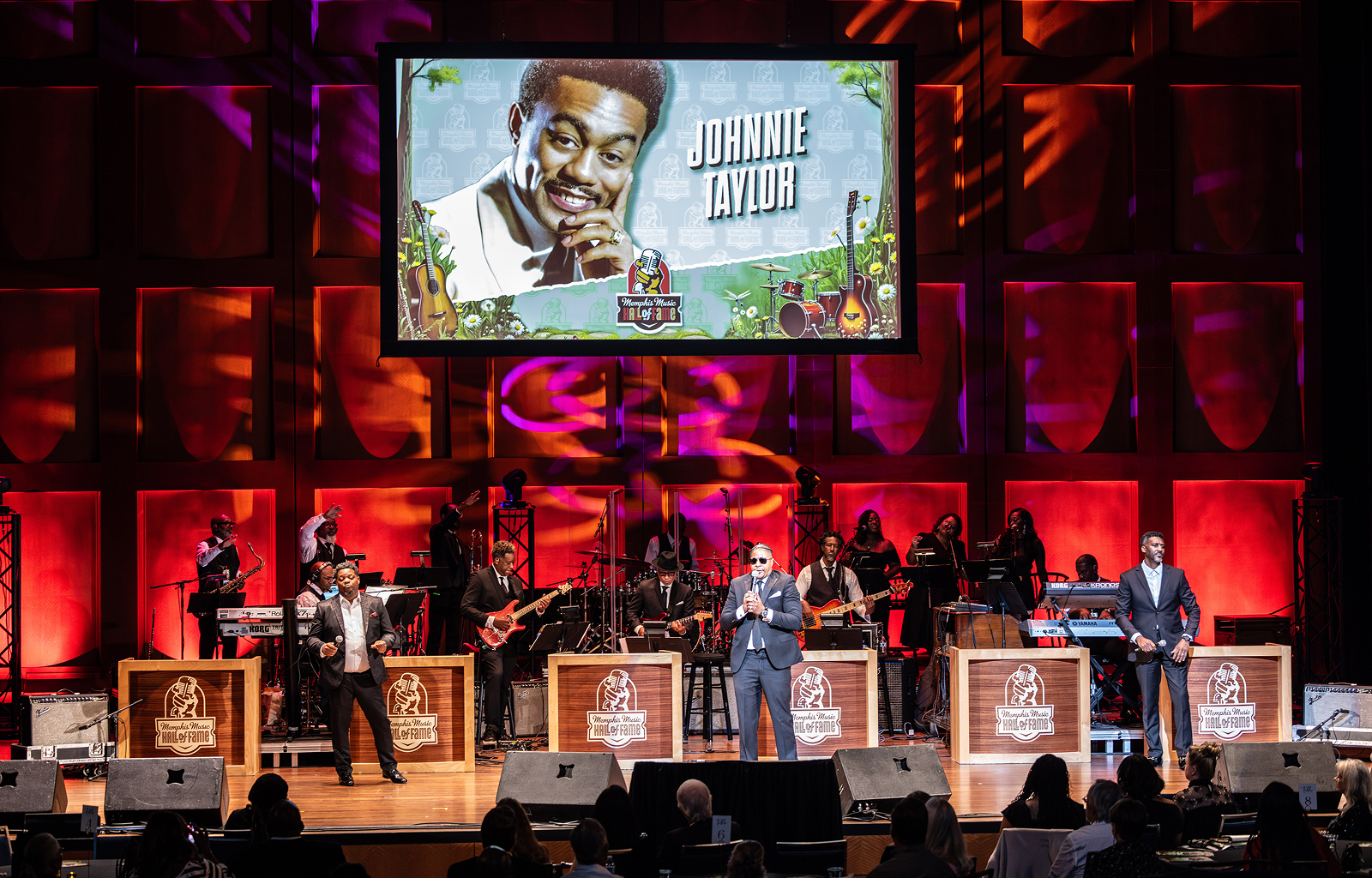
In 1999, he was honored with the Rhythm and Blues Foundation’s Pioneer Award, and in 2015, he was inducted into the National Rhythm & Blues Hall of Fame. In 2022, he was inducted into the Blues Hall of Fame acknowledging his versatility. His 1976 platinum record for “Disco Lady” remains a historic milestone. Even today, his music and lyrics are often sampled in contemporary music genres like hip hop.

Be the first to add your voice.