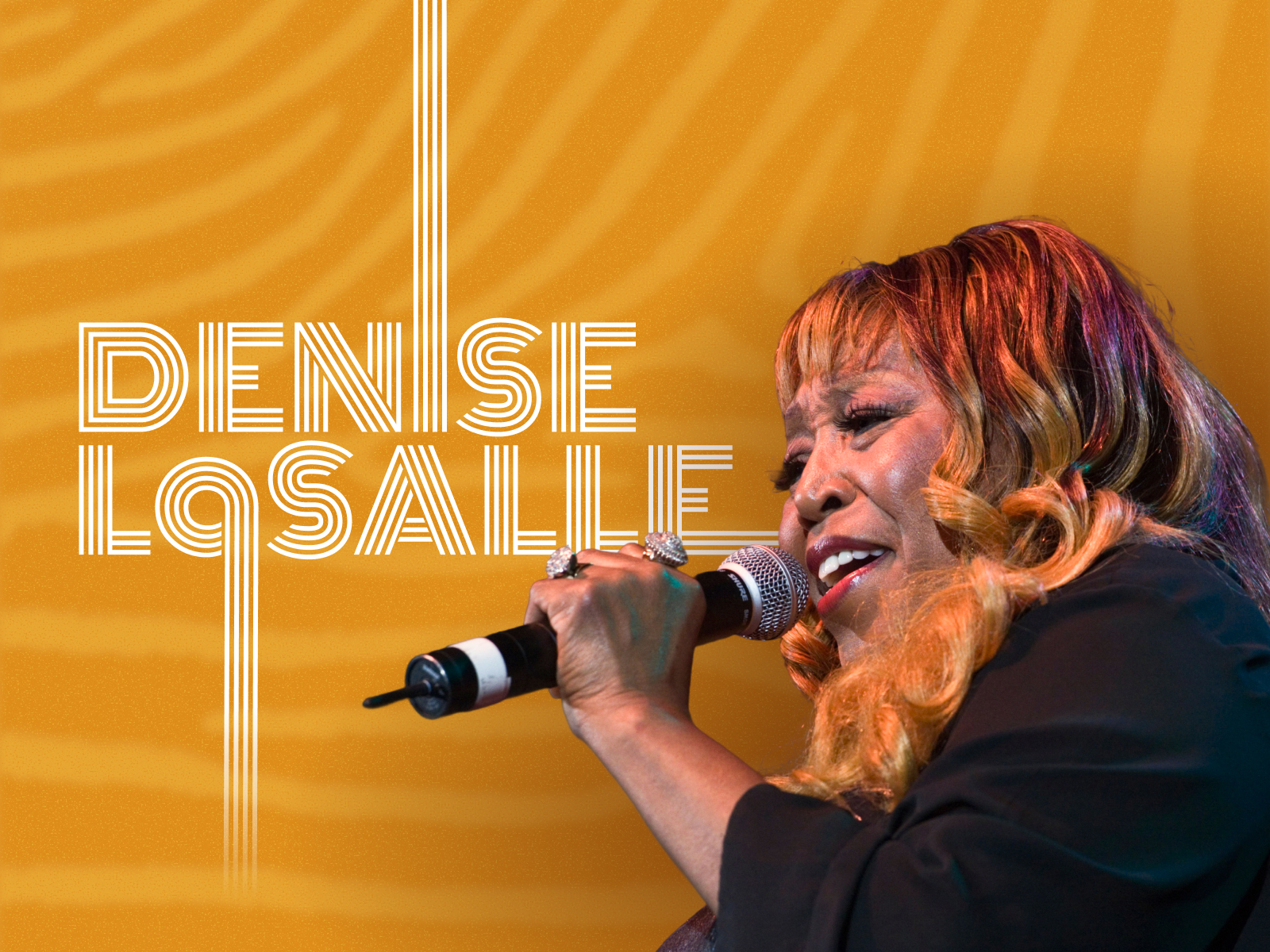
Ora Dee Allen, known professionally as Denise LaSalle, was born near Sidon, Mississippi, in Leflore County, on a plantation known as “The Island.”
The youngest of eight children, LaSalle grew up in a sharecropping family, working in the cotton fields to support her household. Her early life was marked by hardship, but music became a refuge, shaped by the gospel choirs of local churches and the country and blues sounds she heard on the radio, including broadcasts from Nashville’s Grand Ole Opry and the John R. (Richbourg) WLAC blues show. At age seven, her family relocated to Belzoni, MS, where she spent much of her childhood. By 13, she moved to Chicago to live with an older brother, seeking opportunities and immersing herself in the city’s vibrant music scene.
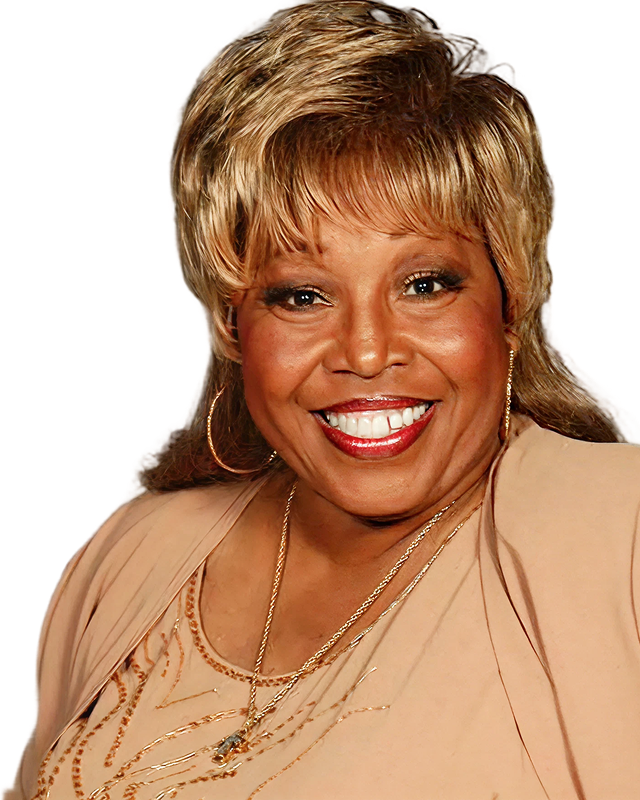
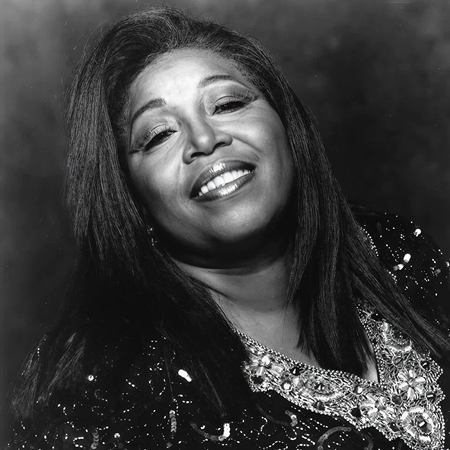
Her ambitions, however, extended beyond gospel. Influenced by both country music and the blues, she began writing both songs and stories, initially aspiring to be a novelist. By her mid-teens, she had published a story in Tan magazine, but after facing rejections for further fiction, she turned her creative energy to songwriting, adopting the stage name “LaSalle” inspired by a French character in a comic strip. Her big break came in 1963 while working as a barmaid at Mix’s Lounge in Chicago. There, she met Billy “The Kid” Emerson, a musician associated with Chess Records. This connection led to a one-year recording contract with Chess in 1967, although no recordings were produced. Undeterred, LaSalle recorded her first single, “A Love Reputation,” on Emerson’s Tarpon label in 1967, which became a modest regional hit. This early success marked her entry into the professional music world.
Her songwriting talents shone through with “Get Your Lie Straight,” a hit for Bill Coday on the Crajon label. In 1970, LaSalle signed with Detroit-based Westbound Records, a pivotal moment in her career. Her 1971 single “Trapped by a Thing Called Love,” which she wrote, soared to number one on the Billboard R&B chart and number thirteen on the Hot 100, earning a RIAA gold disc for selling over a million copies. The song’s success, along with its inclusion on President Obama’s 2016 Summer Nights playlist, cemented LaSalle’s place in R&B history.
Robert Christgau wrote in Christgau’s Record Guide: Rock Albums of the Seventies (1981): “LaSalle seems to be a songwriter first and a singer second, which may be why there’s a certain professional anonymity about her unusual moods. But the voice is there – sensual, warm, even wise, ideal for [producer] Willie Mitchell‘s meditative Memphis funk.” Her early hits were recorded at the Hi recording studios in Memphis, operated by Mitchell, using the best southern session players. Singles like “Now Run and Tell That” (46 on the Hot 100) and “Man Sized Job” continued her chart success, while albums such as Trapped by a Thing Called Love (1972), On the Loose (1973), and Here I Am Again (1975) showcased her ability to blend R&B with soulful storytelling.
Known for her bold, often risqué lyrics and provocative stage persona, LaSalle stood out in a male-dominated industry, delivering songs that mixed romance with unapologetic candor about love and relationships. Her 1976 single “Married, but Not to Each Other,” later covered by country star Barbara Mandrell further demonstrated her crossover appeal.
However, her sound began to evolve in the late 1970s, leaning more toward the blues while retaining soul elements, helping to define the soul-blues genre. In 1982, she joined Malaco Records, a Jackson, Mississippi-based label known for its focus on Southern soul and blues. Initially signed as a songwriter, LaSalle penned hits for artists like Z.Z. Hill, including “Someone Else Is Steppin’ In,” before being persuaded to record her own material.
Her Malaco debut, Lady in the Street (1983), reached 23rd on Billboard’s Top R&B Albums chart, followed by Right Place, Right Time (1984) at 38. These albums, backed by the Muscle Shoals Rhythm Section, featured standout tracks like the title songs, “Down Home Blues,” and “Your Husband Is Cheating on Us,” which resonated with soul-blues audiences. In 1985, her cover “My Toot Toot” (originally “Tu-Tu”), originally written and performed by Sidney Simien (stage name, “Rockin’ Sidney”) became an international hit, reaching 6 on the UK Singles Chart, her only UK chart success.
LaSalle’s Malaco tenure, spanning over two decades, produced a string of critically acclaimed albums, including Love Talkin’ (1985), It’s Lying Time Again (1987), Hittin’ Where It Hurts (1989), and Smokin’ in Bed (1997), which reached 10 on the Blues Albums chart and won the 1998 Living Blues Critics’ Award for “Best Blues Album.” LaSalle noted that Malaco encouraged a “hard blues” style, which contrasted with the creative freedom she enjoyed at Westbound and ABC/MCA. Despite this, her Malaco recordings solidified her reputation as a leading voice in soul-blues, with her earthy, narrative-driven songs connecting deeply with fans, particularly in the Southern United States.
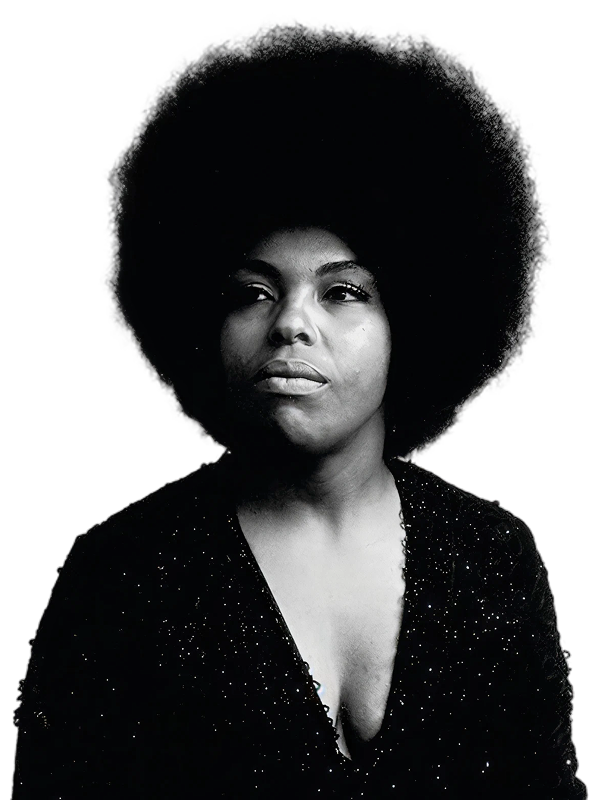
Her efforts helped keep the genre alive and fostered a community among blues artists. Beyond music, LaSalle was a savvy entrepreneur. She and her second husband, James “Super” Wolfe Jr., a disc jockey and later a minister, owned three radio stations in Jackson, Tennessee, where they settled. LaSalle also opened the Blues Legend Café at 436 E. Main Street in Jackson. She was also committed to young people. “By teaching these kids the blues,” LaSalle writes, “and by teaching them the history of the blues, we’re teaching them the history of their own people.”
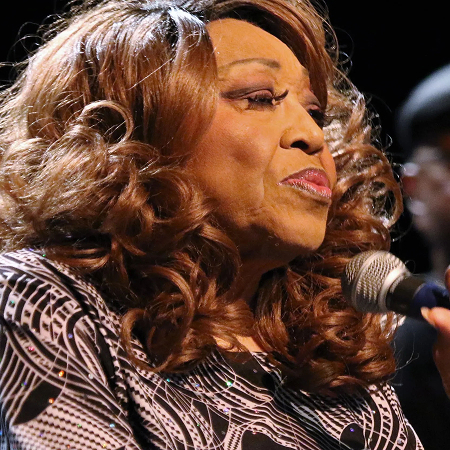
In 2002, she signed with Ecko Records, a Memphis-based soul-blues label, and released Still the Queen, followed by Pay Before You Pump (2007), which peaked at 14 on the Blues Albums chart. She returned to Malaco in 2010 for 24 Hour Woman, an album featuring tracks like “Cheat Receipt” and “Older Woman (Looking for a Younger Man),” showcasing her enduring wit and relevance. LaSalle remained a dynamic live performer, appearing at festivals like the Long Beach Blues Festival (1984, 1993) and the San Francisco Blues Festival (1993). Her performances blended sensuality, humor, and raw emotional power, earning her a loyal fanbase. She also mentored younger artists, expressing pride in the blues’ revival among new generations.
In 2009, following the death of Koko Taylor, she was crowned the “Queen of the Blues” at the Jus’ Blues Music Foundation conference in Belzoni. She received a marker on the Mississippi Blues Trail in 2009, was inducted into the Blues Hall of Fame in 2011, and the Rhythm and Blues Music Hall of Fame in 2015. She was nominated for Blues Music Awards in the Soul Blues Female Artist category in 2013, 2014, and posthumously in 2018.
Her songwriting extended beyond her own recordings, with artists like Barbara Mandrell, Rita Coolidge, Z.Z. Hill, Little Milton, and Ann Peebles covering her work. Her composition “Packed Up and Took My Man,” co-written with Mack Rice, was sampled by rapper Ghostface Killah, illustrating her influence across genres. “You see my name listed as producer on most of my records,” said LaSalle, “and that’s exactly what I am.”
LaSalle’s personal life was as dynamic as her career. After divorcing Bill Jones in 1974, she married James E. Wolfe Jr. in 1976, with whom she had three children: Ray, Dawn, and Bridgette. She later married Artic Craig. Despite health challenges, LaSalle remained active, performing and engaging with fans until her final days. She passed away on January 8, 2018, surrounded by her family.
Denise LaSalle’s career, spanning nearly five decades, left an indelible mark on blues, R&B, and soul music. Known for her powerful voice, candid lyrics, and unapologetic persona, she broke barriers as a Black female artist in a male-dominated industry. Her songs, often drawn from the experiences of women she met in nightclubs, addressed themes of love, betrayal, and empowerment with humor and honesty, resonating with audiences worldwide.

Be the first to add your voice.