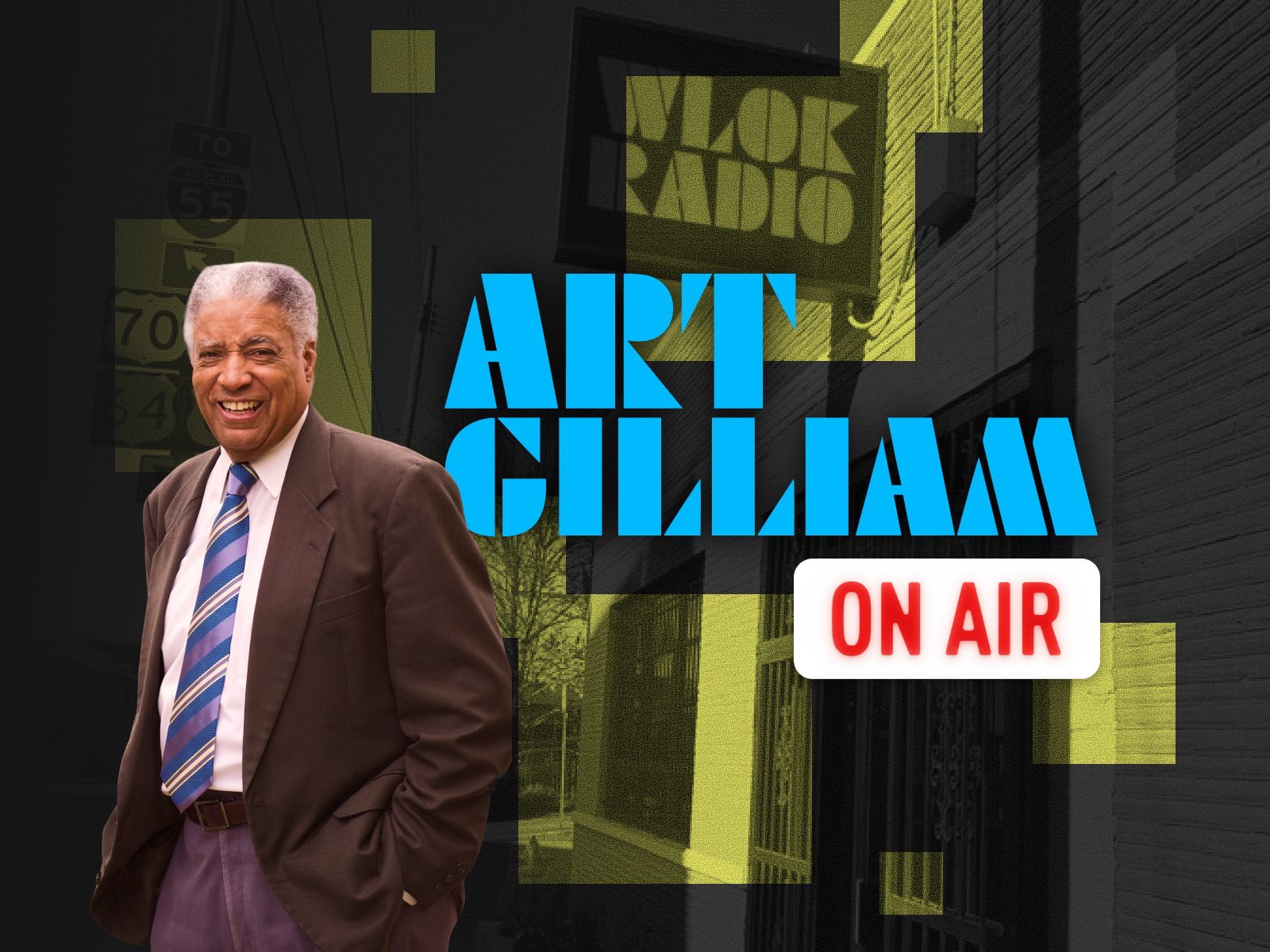
Herman Arthur Gilliam Jr., known as Art Gilliam, was born on March 6, 1943, in Nashville, Tennessee, to Leola Hortense Caruthers and Herman Arthur Gilliam Sr. His family relocated to Memphis when he was six, setting the stage for a life deeply intertwined with the city’s cultural and civil rights history. Gilliam’s journey from a young boy listening to radio broadcasts to becoming a pioneering Black media figure is a testament to his vision, resilience, and commitment to community service. As the owner of WLOK, Memphis’ first Black-owned radio station, Gilliam has left an indelible mark on the media landscape and the African American community.
Growing up in Memphis during the era of segregation, Gilliam experienced racial inequalities firsthand, including riding at the back of the bus as mandated by law. His early memories include listening to radio broadcasts with his family, such as Joe Louis boxing matches, which sparked a lifelong affinity for the medium. At age 13, Gilliam left Memphis to attend the prestigious Westminster School in Connecticut, a significant step that broadened his horizons. At just 16, he enrolled at Yale University, where he earned a B.A. in economics. He later pursued an M.B.A. at the University of Michigan.
After Yale, Gilliam joined the U.S. Air Force Reserve, further shaping his disciplined approach to leadership. Upon returning to Memphis, he worked at his father’s employer, Universal Life Insurance Company, from 1967 to 1975. However, his passion for media and community advocacy led him to break new ground in journalism and broadcasting.
In 1968, Gilliam became the first African American to write a weekly editorial column for The Commercial Appeal, Memphis’ leading newspaper, offering a Black perspective in a predominantly white media landscape. That same year, he made history again as the first Black on-air reporter and weekend news anchor at WMC-TV Channel 5, bringing visibility to African American voices on television during a turbulent period following Dr. Martin Luther King Jr.’s assassination in Memphis. These roles established Gilliam as a trailblazer in a city grappling with racial tensions and civil rights struggles.
From 1975 to 1976, Gilliam served as an administrative assistant to U.S. Congressman Harold Ford, Sr. in Washington, D.C. This experience deepened his understanding of policy and advocacy, and it was during this time that he began exploring opportunities in radio ownership. Inspired by conversations with Benjamin Hooks, the first Black Federal Communications Commissioner, Gilliam learned that WLOK, a station he had listened to as a teenager, was for sale. This opportunity aligned with his desire to influence his community through media.
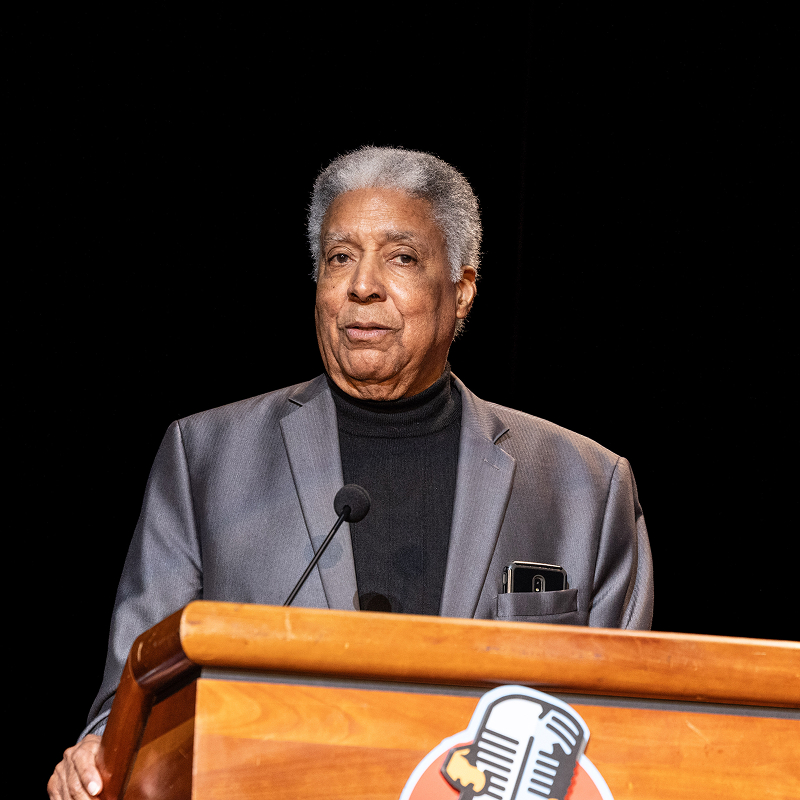
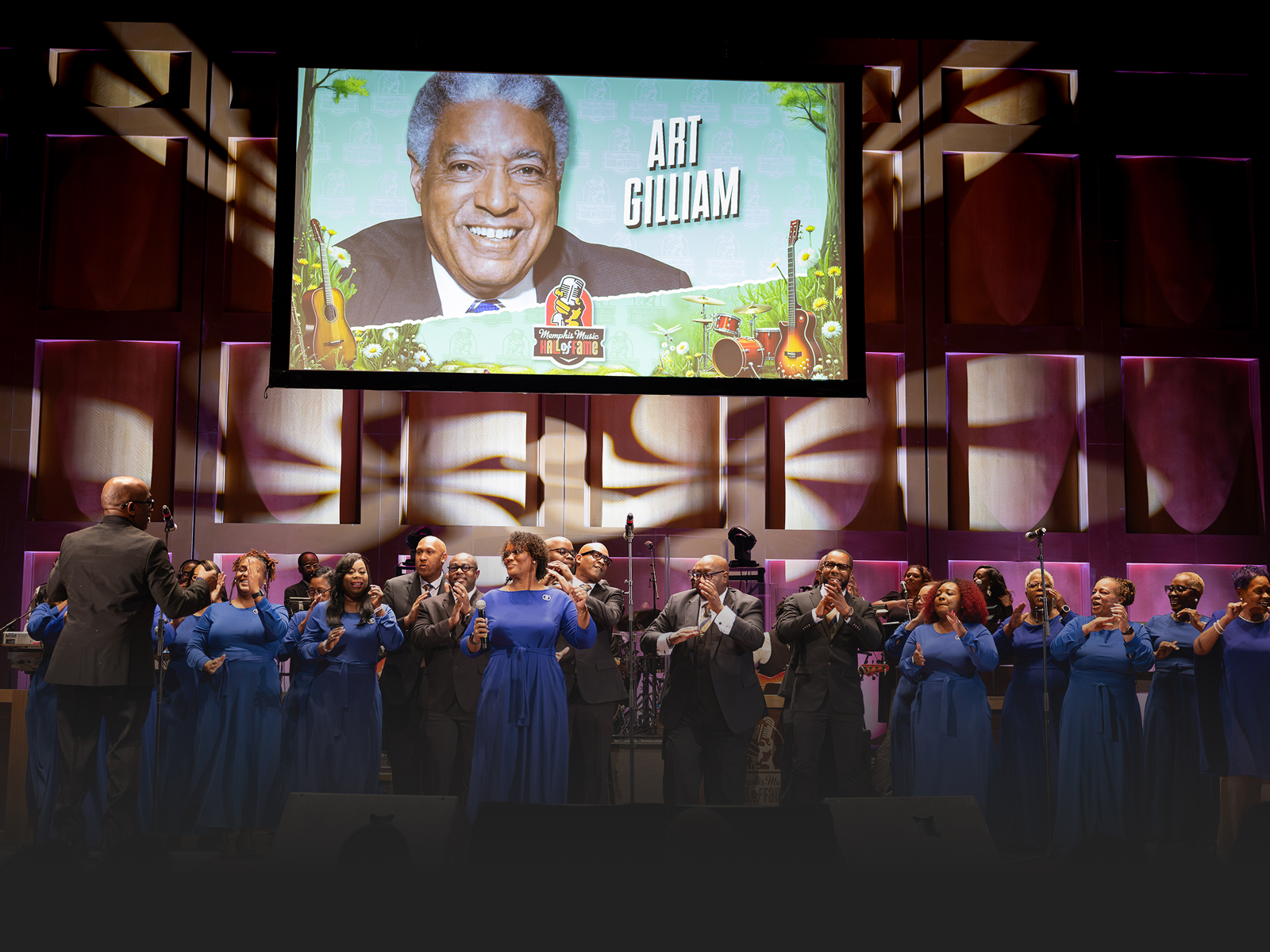
In 1977, Gilliam founded Gilliam Communications, Inc. and purchased WLOK from Starr Broadcasting for $725,000, a transaction finalized during Black History Month in February 1977. This acquisition marked WLOK as the first Black-owned and locally-owned radio station in Memphis, a historic milestone in a city with a significant African American population. At the time, WLOK was an R&B station, but Gilliam envisioned it as more than a music outlet, but as a platform for Black voices and community advocacy.
Upon purchase, Gilliam realized the on-air staff was black, but all members of the sales staff were white. He integrated all departments of the station, making career opportunities available for all.
Also, when Gilliam took over, WLOK was facing financial challenges, and he was left with only $25,000 in working capital after the purchase. Undeterred, he leaned into on-the-job learning and the expertise of station veterans like disc jockey Melvin “A Cookin” Jones, who was named Billboard Magazine’s Number 1 DJ of the Year in 1977. Gilliam made bold decisions, including reinstating the Operation PUSH program, which had been removed by previous owners due to advertiser pressure over its civil rights advocacy. This move underscored his commitment to activism, even at the risk of financial loss.
The program, now known as the Rainbow/PUSH Hour, remains one of the longest-running shows in Memphis radio, airing each Sunday evening. In the 1980s, as FM radio gained prominence, Gilliam adapted WLOK to stay competitive. In 1985, he shifted the station to a full gospel format, a strategic move that capitalized on the growing popularity of gospel music. The decision proved successful, with WLOK becoming the number one gospel station in the nation for several consecutive years, as recognized by Religion & Media Quarterly. In 2017, WLOK expanded to FM, broadcasting on 104.9 FM (promoted as FM 105) alongside its traditional AM 1340 frequency, making it more accessible to younger audiences. The station’s slogan, “FM 105, AM 1340 WLOK – Still a Family Tradition,” reflects its enduring community focus.
Gilliam’s vision for WLOK extended beyond broadcasting. He crafted a mission statement that emphasized serving as “a progressive force representing the hopes and aspirations of Black people” with a focus on the needs of the Memphis Black community. This ethos is evident in WLOK’s community initiatives, such as the annual Stone Soul Picnic, which remains a cornerstone of community engagement. It was launched in 1975 and is celebrating its 50th anniversary in 2025 with a return performance by the Bar-Kays. At one time, it was known as Memphis’ largest single-day event, attracting well over 100,000 people.
WLOK also hosts the Black Film Festival, started in 2017, which showcases films by Black filmmakers or those with significant Black narratives. Additionally, the station offers college scholarships and provides airtime for community discussions through programs like “Let’s Talk About It,” hosted by Chip Washington, which addresses issues such as family safety and healthcare. These efforts underscore Gilliam’s belief that WLOK is a “community station” first, even as a commercial entity.
Gilliam’s influence extends beyond Memphis. Through Gilliam Communications, he operated radio stations in New Orleans, LA, Jacksonville, FL, and Savannah, GA, through some ventures. His commitment to Black media has made WLOK a model for community-focused broadcasting, particularly as Black-owned radio stations have dwindled nationwide, from 145 in 1995 to just 68 out of nearly 15,000 by 2017.
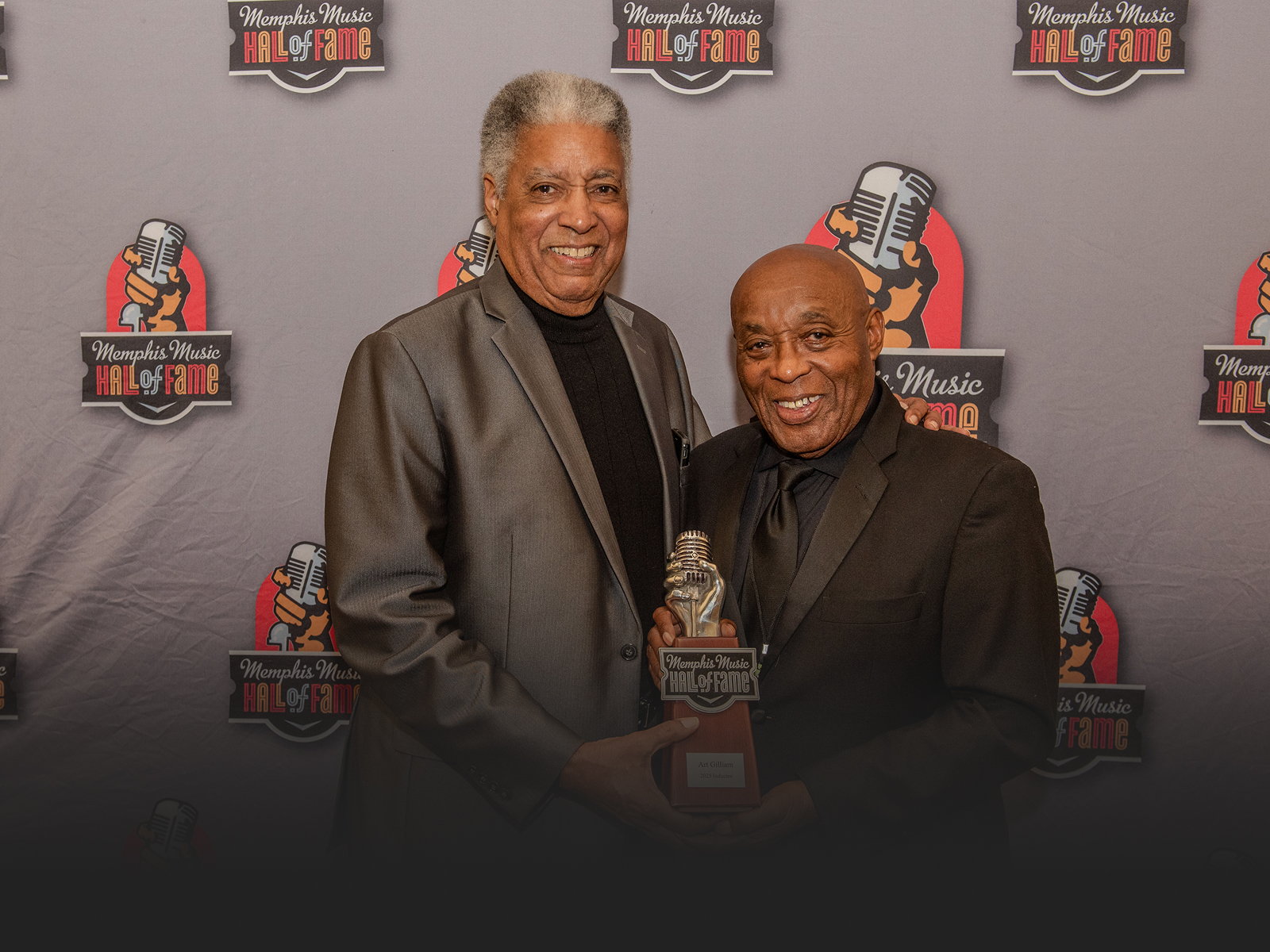
Gilliam’s contributions have earned him numerous accolades. In 1997, WLOK was designated a Tennessee Historical Landmark by the Tennessee Historical Commission, recognizing its role as the first Black-owned station in Memphis. The station was also awarded Number One Gospel Station in the nation designation by Religion & Media Quarterly for several consecutive years. Gilliam has received the Black History Men of Honor Leadership Award, the Gospel Bridge Lifetime Achievement Award, the Rainbow/PUSH Martin Luther King Jr. Award, the Memphis Advertising Federation’s Silver Medal Award, and the Downtown Memphis Commission’s Visionary Award. In 2023, he was inducted into the Tennessee Radio Hall of Fame, and in 2024, he was honored by the National Black Radio Hall of Fame, cementing his status as a radio legend.
At age 81, Gilliam remains active at WLOK’s headquarters at 363 South Second Street, near the National Civil Rights Museum. He arrives daily at 8:30 a.m., overseeing operations alongside his wife, Dorrit Gilliam, who serves as COO of the Gilliam Foundation and manages events like the Stone Soul Picnic and Black Film Festival. Their partnership, which began in 2004 after meeting online, has strengthened WLOK’s community outreach. The station’s offices, recently renovated with a $50,000 grant from the Downtown Memphis Commission, feature historical displays, including photographs of South Carolina slave cabins, reflecting Gilliam’s commitment to preserving Black history.
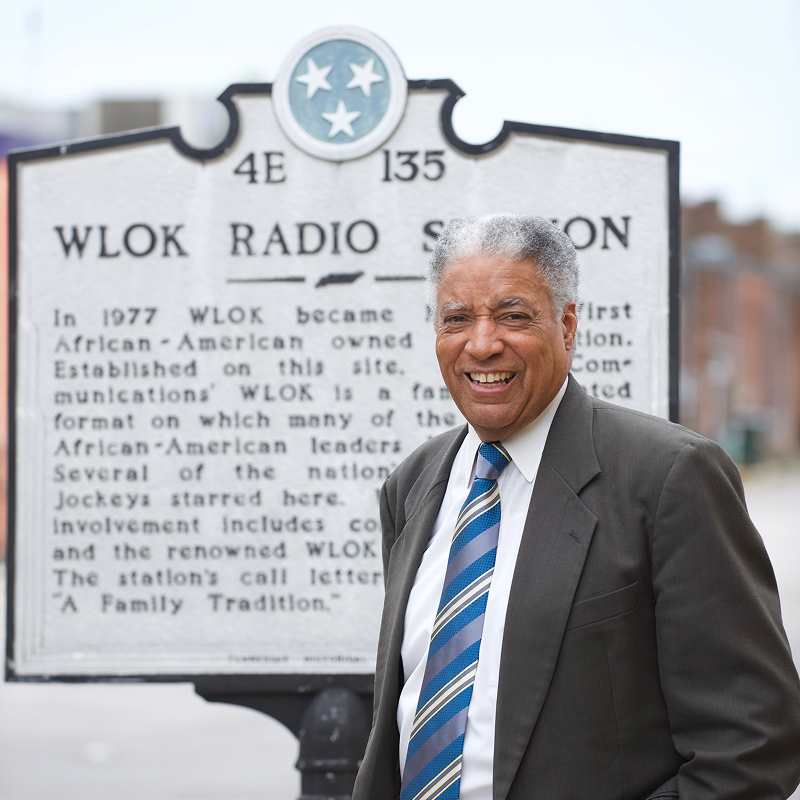
Art Gilliam’s personal life reflects his dynamic approach to leadership. His marriage to Dorrit, a former tutor from Copenhagen, Denmark, brought a new dimension to his work, with her involvement in WLOK’s community programs. Gilliam’s philosophy emphasizes radio’s unique ability to foster a sense of community, noting that listeners often claim WLOK as “their” station, a connection less common with television. His experiences with segregation, including the murder of Emmett Till, which occurred when Gilliam was just two years younger than Till, have shaped his commitment to advocacy and equality. Despite the challenges of a changing media landscape, Gilliam remains optimistic about radio’s personal connection to its audience. He continues to advocate for education, housing, and civil rights, using WLOK as a platform to amplify marginalized voices. His office walls, adorned with civic citations and community-related displays rather than gold records, reflect his rejection of commercialism in favor of service.

Be the first to add your voice.